
Deposit Bonds
Pre-construction buyer deposits normally sit locked in escrow until closing. A deposit (escrow) bond guarantees the escrow agreement so the escrow agent can release those deposits to you, the developer — turning idle capital into working capital.
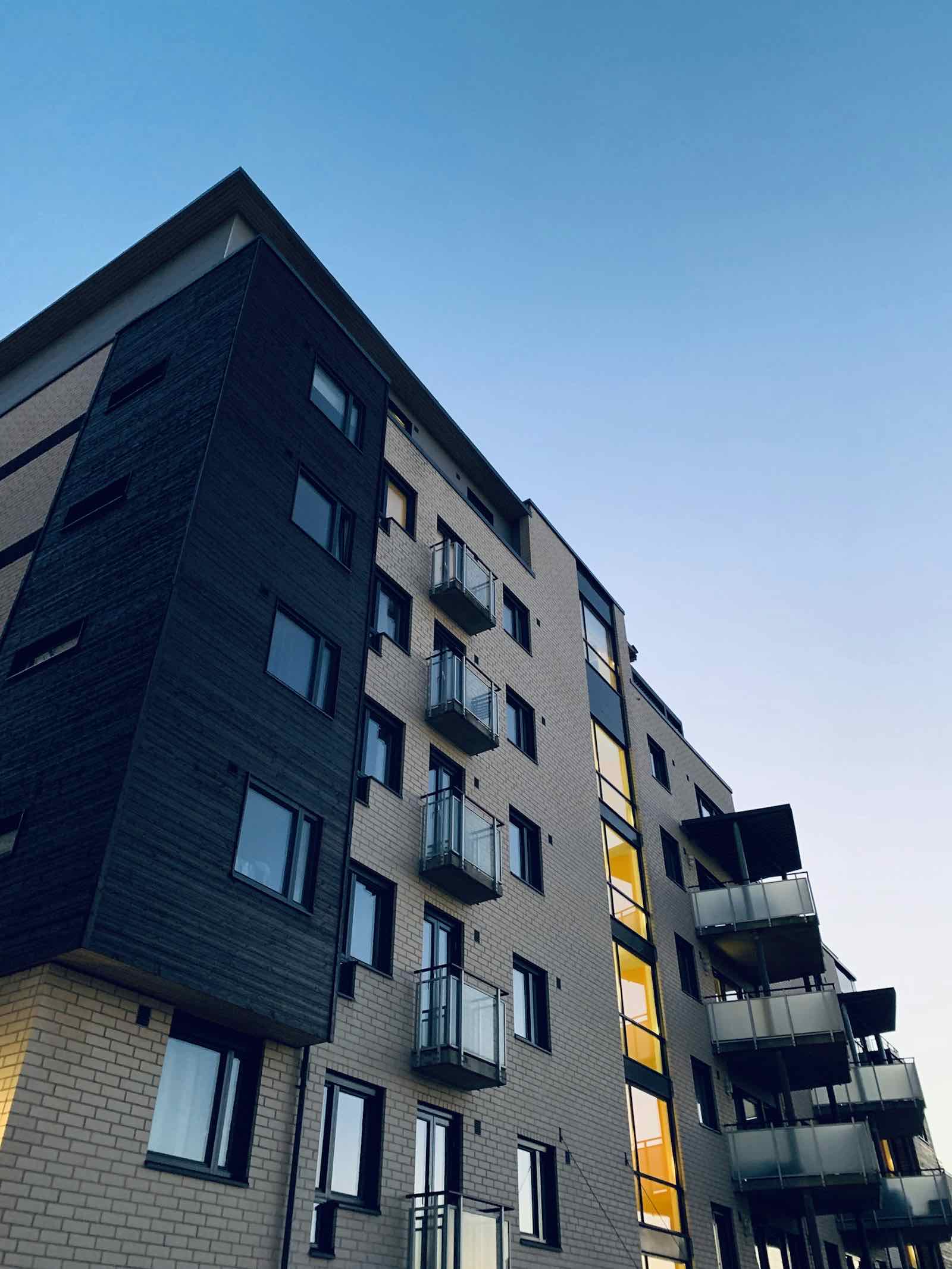
In a pre-construction sale, buyers' earnest-money deposits are held by an independent escrow agent and normally can't be touched until closing. A deposit bond — also called an escrow deposit bond or condominium escrow deposit bond — changes that: the developer posts a surety bond guaranteeing the return of those deposits, and the escrow agent releases the funds to the developer to put to work on the project.
It's a powerful liquidity tool for developers. Instead of raising outside capital, you put deposits you've already collected to work — backed by a bond that protects your buyers and guarantees the escrow/purchase agreement. Florida's condominium statute (§ 718.202) and roughly a dozen other states expressly allow deposits to be released against a bond, commonly for the first 10% of the purchase price.
Common deposit bonds
Condominium escrow deposit bonds
Release pre-construction condo buyer deposits — often the first 10% under Fla. Stat. § 718.202 and similar laws — to fund the project.
Subdivision & new-home deposit bonds
Free up purchaser deposits on platted lots and new-home pre-sales for developer liquidity.
Blanket or per-deposit structures
Bond every deposit individually, or post a single blanket bond covering all deposits received.
More in Other Commercial
Deposit, customs, and miscellaneous commercial surety obligations.
What we need to quote
The purchase/escrow agreement and the escrow agent's details
Total deposits to be bonded (and whether per-deposit or blanket)
Developer entity financials and a personal financial statement on the principals
The project (units, sale prices) and the state it's in
Deposit Bonds FAQ
What is a deposit bond?
A surety bond a developer posts so an escrow agent can release buyers' pre-construction deposits to the developer. The bond guarantees those deposits are returned if a buyer is entitled to a refund — so the money can be used as working capital instead of sitting in escrow.
Who does the deposit bond protect?
The buyers (purchasers) — they're the obligee. The bond guarantees their deposit comes back if the deal terminates and they're owed a refund. The developer is the principal.
How much does a deposit bond cost?
Typically about 1%–3% of the deposits released, depending on the developer's financial strength and the project. We quote your exact rate after a quick review.
Which states allow it?
Florida (§ 718.202) is the best known — it lets the first 10% of residential condominium deposits be released against a bond — and roughly a dozen other states (e.g., Michigan, Ohio, New Hampshire, Washington) allow deposits to be applied to construction with the right disclosures and security. We confirm the rules for your state and project.
How is the bond amount set?
It must at least equal the deposits you release — you can't draw more than the bond's face amount. We can structure it per-deposit or as a single blanket bond covering all deposits.
Get your deposit bond
Tell us what you need and we'll confirm the exact form and requirements, then get it issued cleanly. Same-day turnaround on most bid bonds.
Start Your Bond Request
One form, every bond type — or chat with us and we'll confirm requirements right away.
All bond types — contract, subdivision & commercial
Request a Bond→One form for every bond request — we'll confirm requirements and route it right away.
✓ We'll review your submission, confirm any missing details, and follow up with a quote or next steps — typically within 1 business hour during business hours.
Available Mon–Fri — or leave a message and we'll follow up same day.