Subdivision Bonds
Subdivision and site-improvement bonds guarantee the public improvements you've promised the municipality — roads, grading, water, sewer, and more. We know how these are structured and reduced.
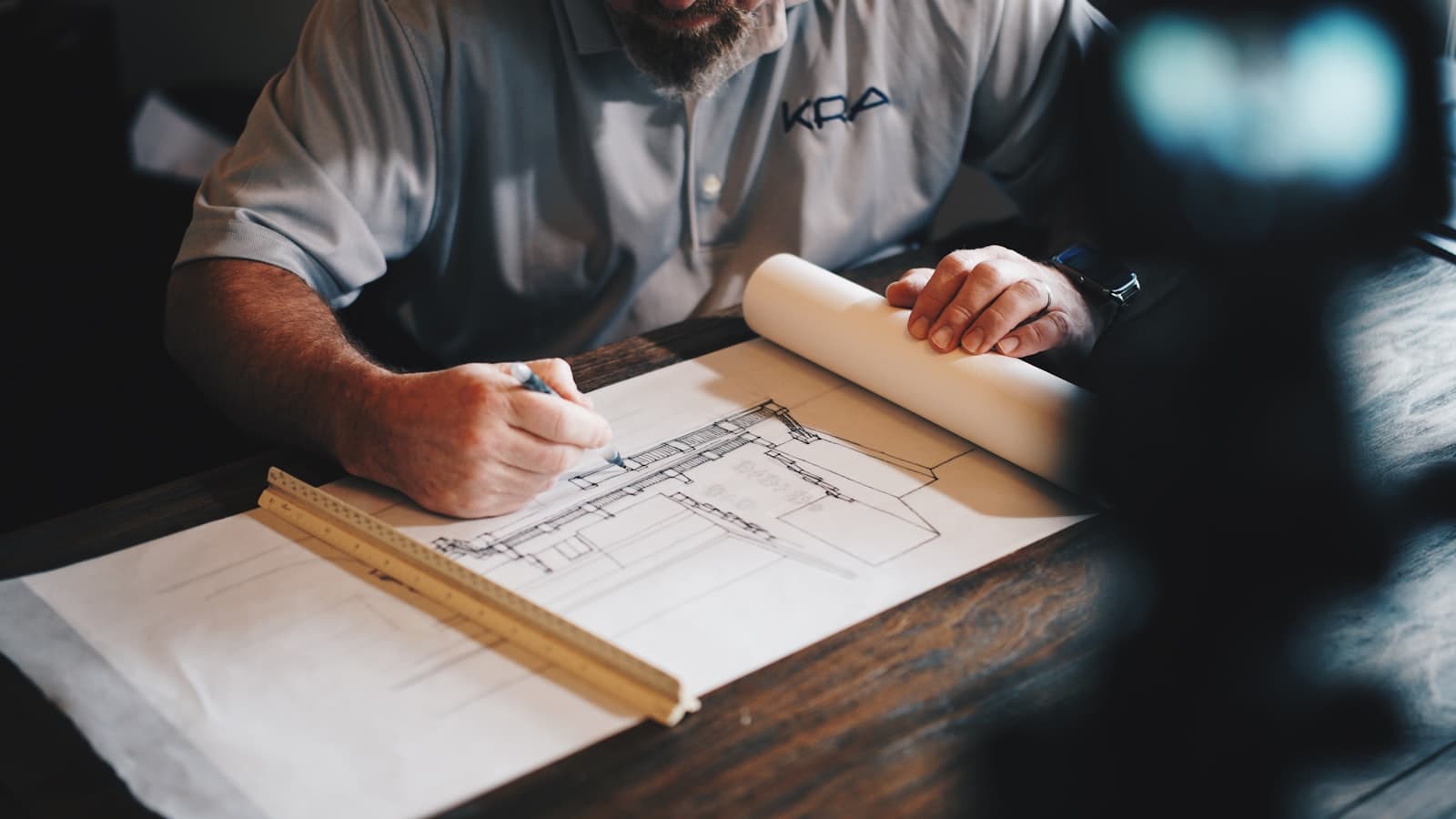
A subdivision bond is a surety bond a developer posts with a city or county to guarantee that the public improvements required for a subdivision — streets, curbs, sidewalks, storm drainage, water and sewer lines, grading, and landscaping — will be built as approved. It is also called a subdivision improvement bond, site-improvement bond, plat bond, completion bond, or public improvement bond; the name changes by region, the guarantee does not.
Unlike contract bonds, the obligee is the local government, and there's no payment to a contractor behind the bond — so these are underwritten on the developer's balance sheet and the cost of the improvements. We help structure the bond so it can be reduced or released as work is accepted.
How a subdivision bond works
Most municipalities won't record a final plat, issue building permits, or let lots be sold until the required public improvements are either finished or guaranteed. A subdivision bond is that guarantee. It involves three parties: the developer (the principal), the city or county (the obligee), and the surety that issues the bond.
If the developer completes the improvements, the municipality inspects them, accepts them, and releases the bond. If the developer doesn't, the municipality can claim on the bond, and the surety either arranges completion or pays up to the bond amount — then looks to the developer to repay it. That repayment obligation is why the surety underwrites the developer's finances before issuing.
How the bond amount is set
The amount comes from the engineer's estimate of the public improvements still to be built. Many ordinances then add a contingency, commonly setting the bond at 100%–125% of the estimate, and some require more. The development or improvement agreement will state the exact figure, and the bond has to match it.
What a subdivision bond costs
A subdivision bond typically costs about 1%–3% of the bond amount per year. Developers with strong financial statements and a track record of completed subdivisions land near the low end; newer developers or thinner balance sheets land near the high end. Because the premium renews annually while the bond is open, how quickly the improvements are finished and accepted matters as much as the rate.
| Bond amount | Annual premium (1%–3%) |
|---|---|
| $250,000 | $2,500 – $7,500 |
| $500,000 | $5,000 – $15,000 |
| $1,000,000 | $10,000 – $30,000 |
| $2,000,000 | $20,000 – $60,000 |
Reductions and release
Most municipalities let the bond amount step down as sections of work are inspected and accepted, and a lower bond amount means a lower renewal premium. At final acceptance the improvement bond is released, and many municipalities then require a smaller maintenance bond for a warranty period, commonly one to two years.
Subdivision bond vs. letter of credit or cash escrow
Municipalities usually accept a surety bond, a bank letter of credit, or a cash deposit. A letter of credit uses up your bank credit line dollar for dollar, and cash escrow ties up the money itself. A bond leaves both free for land, materials, and the next phase, which is why most active developers use one when the municipality allows it.
Subdivision bond vs. letter of credit · Subdivision liquidity calculator
See how much capital a bond frees up
Developers, builders & real estate investors: guaranteeing your public improvements with a surety bond instead of a bank letter of credit keeps your cash and credit working. Run your project's numbers and see the difference in liquidity.
Need it fast? Credit-based Express subdivision bonds
If your credit qualifies, you can skip the full financial package. Our Express program issues subdivision and site-improvement bonds up to $1.5M–$2M primarily on the developer's personal credit — one short online application, often same-day issuance. Larger programs move to standard underwriting, and we'll tell you which path fits up front.
Estimate your subdivision bond cost
Instant estimate on our real rates — then get the detailed breakdown and an exact quote.
Estimated first-term premium on a $500,000 subdivision bond (typically the engineer's cost of improvements). Subdivision bonds are underwritten on the developer's financial strength, so the rate varies — we'll confirm at quote.
Get the detailed breakdown + an exact quote
We'll send a line-by-line estimate for your subdivision bonds and confirm your exact rate. Or call 610-489-6168.
Common subdivision bonds
Improvement bonds
Guarantee construction of the required public improvements per the approved plans.
Maintenance bonds
Cover workmanship and materials for a set period after the improvements are accepted.
Completion / plat bonds
Guarantee that improvements tied to a recorded plat are finished on schedule.
What we need to quote
Municipality / obligee details and the required bond form
Engineer's estimate or itemized cost of the improvements
Developer financials (entity and, often, principals)
How releases / reductions work under the local ordinance
Subdivision Bonds FAQ
What is a subdivision bond?
A subdivision bond is a surety bond a developer gives a municipality to guarantee that required public improvements — roads, curbs, drainage, water, and sewer — will be completed. It lets the developer record the plat or start selling lots before the improvements are finished, without tying up cash or a bank letter of credit.
What happens if the developer doesn't finish the improvements?
The municipality can make a claim on the bond. The surety investigates and, if the claim is valid, either arranges completion or pays the municipality up to the bond amount. The developer then owes the surety for whatever it paid, under the indemnity agreement signed when the bond was issued.
How long does a subdivision bond last?
Until the municipality accepts the improvements and releases it — often one to three years, sometimes longer on phased projects. The premium renews each year the bond stays open, so finishing and getting inspections signed off promptly is the biggest lever on total cost.
What is a plat bond?
A plat bond is a type of subdivision bond that guarantees the public improvements tied to a recorded plat — roads, curbs, drainage, water, and sewer — will be completed on schedule. "Plat bond," "site-improvement bond," "subdivision completion bond," and "public improvement bond" are regional names for the same guarantee a developer makes to the municipality.
How much does a subdivision bond cost?
A subdivision bond typically costs about 1%–3% of the bonded cost of the improvements per year, driven by the developer's financial strength. On $1,000,000 of improvements that's roughly $10,000–$30,000. Because there's no contractor behind the bond, the rate rests on the developer's balance sheet — we quote your exact rate after a quick review.
How is the subdivision bond amount determined?
By the engineer's estimate of the public improvements — often set by the municipality at 100–125% of that cost. We bond the exact penal sum the ordinance or agreement requires.
Do subdivision bonds require underwriting?
Yes. Because there's no contractor liable behind the bond, the surety underwrites the developer's financial strength and the cost to complete. Stronger financials mean easier approval and better terms.
Can the bond be reduced as work is completed?
Usually. Most municipalities allow phased reductions as improvements are inspected and accepted, with a maintenance bond held at the end. We help you document and request those reductions.
Subdivision Bonds by state
Requirements and obligees vary by state. Choose yours for subdivision bonds specifics — we write in all 50 states and D.C.
Get your subdivision bond
Tell us what you need and we'll confirm the exact form and requirements, then get it issued cleanly. Same-day turnaround on most bid bonds.
Start Your Bond Request
One form, every bond type — or chat with us and we'll confirm requirements right away.
All bond types — contract, subdivision & commercial
Request a Bond→One form for every bond request — we'll confirm requirements and route it right away.
✓ We'll review your submission, confirm any missing details, and follow up with a quote or next steps — typically within 1 business hour during business hours.
Available Mon–Fri — or leave a message and we'll follow up same day.